Beginner's Guide to Eco Shopping
Learn to make informed choices and build a more sustainable home, one product at a time.
What Makes a Product Sustainable?
Key Sustainability Factors
A truly sustainable product considers its entire lifecycle, from raw materials to disposal. Here are the essential factors to evaluate:
1. Ingredient Transparency
Look for products that clearly list all ingredients. Avoid items with vague terms like "fragrance" or "proprietary blend" that hide potentially harmful chemicals.
2. Packaging Impact
Sustainable products use minimal, recyclable, or biodegradable packaging. Refillable options are even better, as they eliminate single-use containers.
3. Production Ethics
Consider how products are made. Are they produced using renewable energy? Do they support fair labor practices? These factors matter for true sustainability.
4. End-of-Life Disposal
Can the product be easily recycled, composted, or safely disposed of? Products designed with circular economy principles in mind are more sustainable.
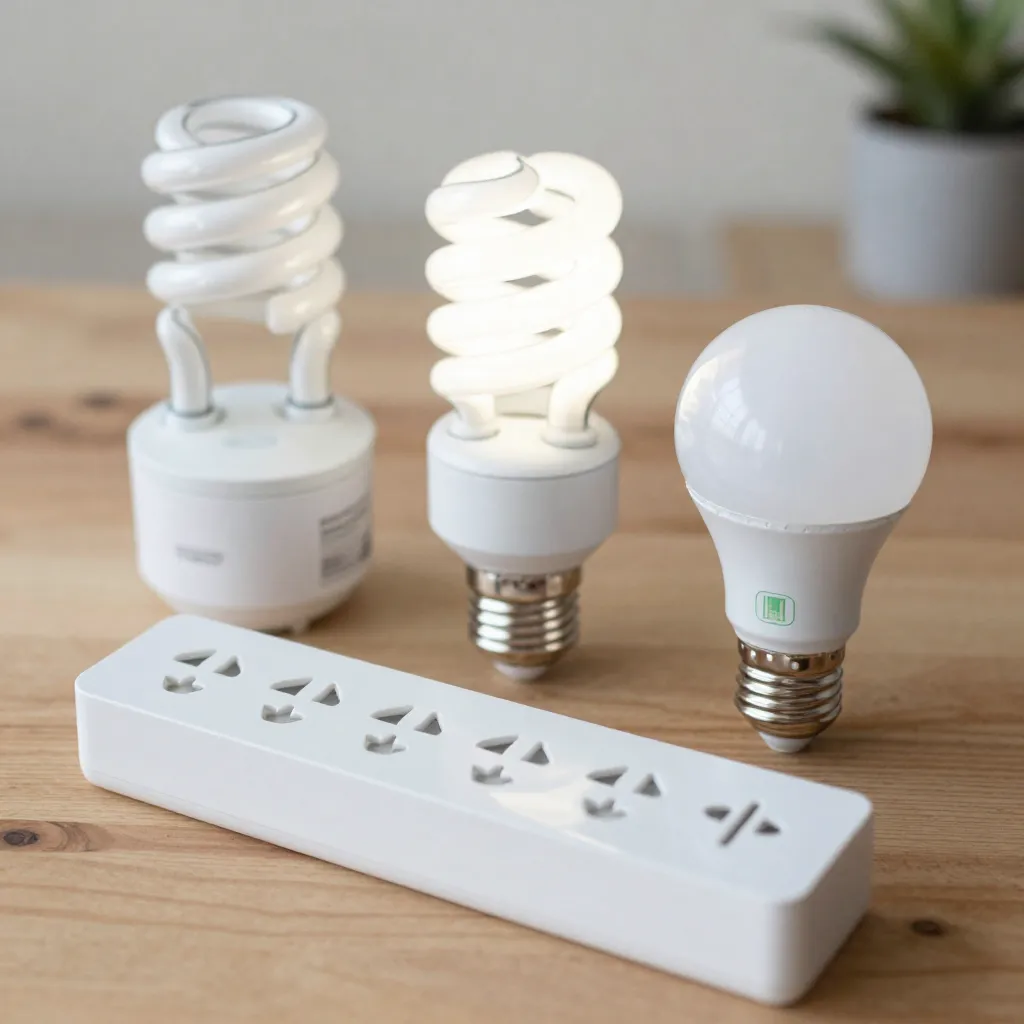
Understanding Labels
Compostable vs. Biodegradable
Compostable: Materials that break down into nutrient-rich compost under specific conditions (usually in commercial composting facilities). Look for certifications like BPI or TÜV.
Biodegradable: Materials that break down naturally over time, but this can take years and may leave microplastics. This term is less regulated and can be misleading.
Recyclable
Products marked as recyclable can be processed and turned into new materials. However, check if your local facility actually accepts these materials, as not all recyclable items are processed everywhere.
Third-Party Certifications
Look for trusted certifications like USDA Organic, Energy Star, Fair Trade, or Cradle to Cradle. These indicate products have been independently verified to meet specific sustainability standards.
How to Avoid Greenwashing
Recognizing Greenwashing Tactics
Greenwashing occurs when companies make misleading environmental claims to appear more sustainable than they actually are. Here's how to spot it:
Vague Claims
Watch for terms like "eco-friendly" or "natural" without specific evidence. Legitimate sustainable products provide concrete details about their environmental benefits.
Irrelevant Claims
Some products highlight one small environmental benefit while ignoring larger negative impacts. Look at the complete picture, not just one feature.
Hidden Trade-offs
A product might be recyclable but require excessive energy to produce. True sustainability considers the entire lifecycle.
Lack of Proof
Genuine sustainable products can back up their claims with certifications, ingredient lists, and transparent sourcing information.
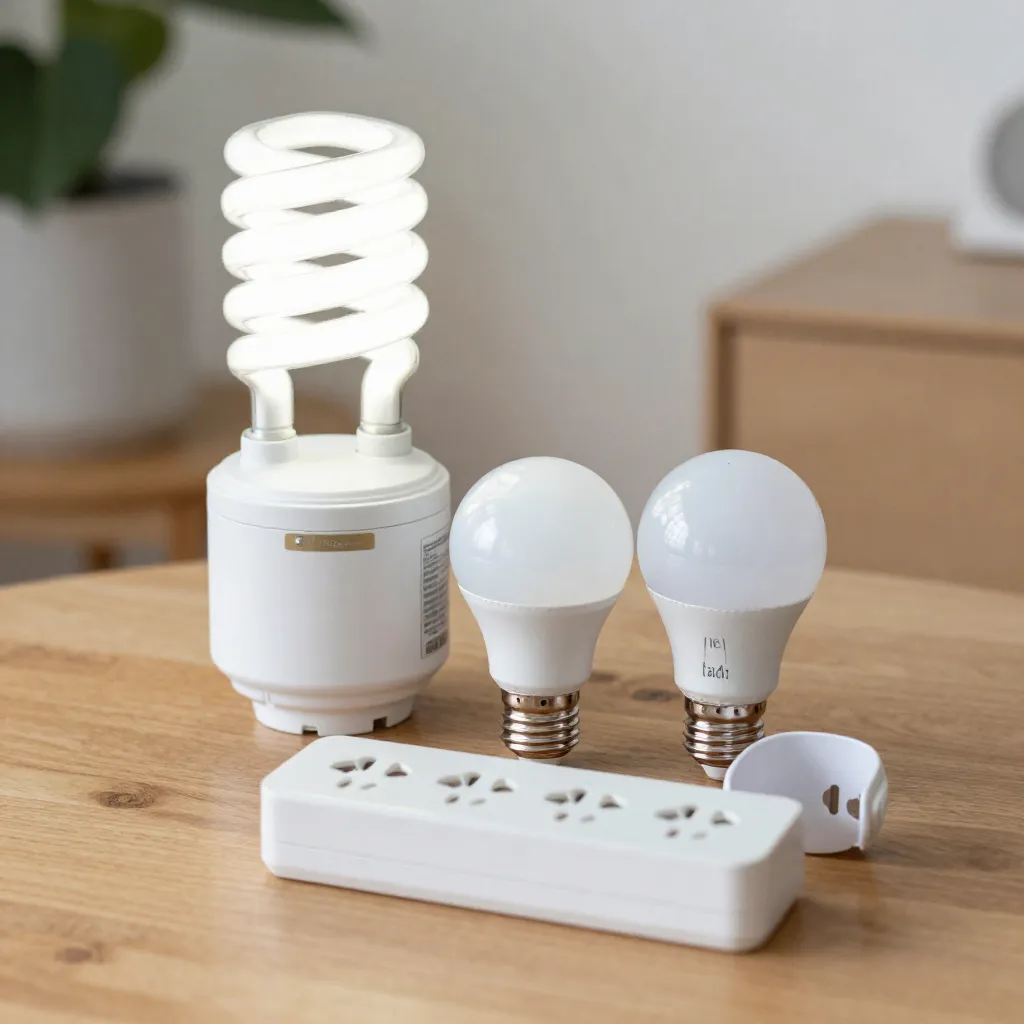
Greenwashing Detector Checklist
Use this checklist to evaluate product claims before making a purchase.
Tips for Smarter Eco-Buying
Start Small
You don't need to replace everything at once. Start with one product category and gradually expand as you learn what works for your lifestyle.
Read Reviews
Look for reviews from other eco-conscious consumers. They often share valuable insights about product performance and true sustainability.
Compare Options
Don't settle for the first "eco" product you find. Compare multiple options to find the best balance of sustainability, effectiveness, and value.
Consider DIY
Some products can be made at home using simple, natural ingredients. This often reduces packaging waste and gives you full control over ingredients.
Explore DIY Alternatives
Building Your Sustainable Home

Creating a Cohesive System
Building a sustainable home is about creating a system where products work together efficiently. Consider how products complement each other and support your overall sustainability goals.
Start with high-impact areas like cleaning products and gradually expand to other categories. Remember, sustainability is a journey, not a destination.
Browse Products